

We were supposed to look “sexy” without looking “sexual.”


Hi friend,
My mom didn’t want me shopping at the underwear store PINK when I was a teenager, and given everything that has come out in the Epstein files about its founder recently, I think I now understand why.
Launched in 2002, PINK was (and is) an offshoot of Victoria's Secret—a “lifestyle brand” that was really just an underwear store aimed at college-aged women and teenage girls, and they were known for a sort of “young/cute/playful” aesthetic that stood in direct contrast to Victoria Secret’s mature “sexy/sultry” vibe.
If you didn’t happen to be a teenager when PINK launched, like me, it might be difficult to understand the chokehold this brand had on our collective concept of what was hot. PINK was to underwear and bras what Abercrombie was to jeans and Hollister was to puka shell necklaces!
The reason for this brand hotness was first and foremost because my generation’s teen years were defined by the explosive coalescence of two majorly influential cultures of the time:
The first was “mall culture,” which refers to the phenomenon of teenagers using shopping malls as a socially important hub for community socialization, hangouts, entertainment, and social navigation, rather than just for retail consumption.
The second was “celebrity culture,” which is the phenomenon of everyone becoming intensely fascinated by and obsessed with the appearance, habits, lifestyle, and personal stories of famous people in the early 2000s.
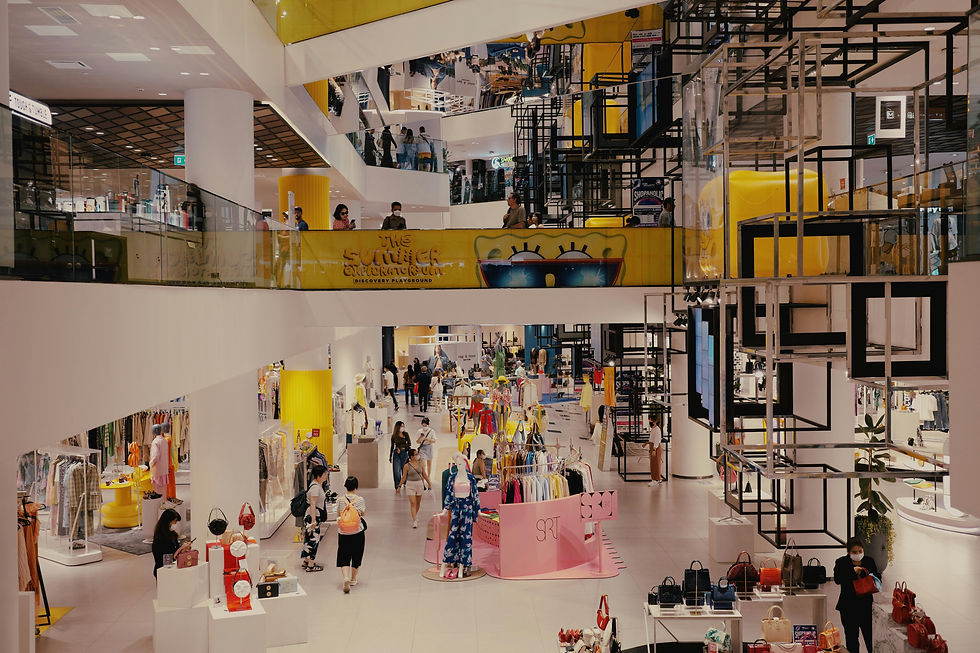
Essentially, my generation learned what was hot by seeing what the celebrities looked like and what they wore, noticing how they were treated in the magazines, and then copying the cool styles by shopping at certain stores.
Through this celebrity-to-mall pipeline, we learned that it was important to be extremely thin and pretty, but also that the clothes you wear can make or break you on a daily basis.
The standards were impossible and the stakes were high, and we all learned that while it was embarrassing to try too hard in general, it was especially shameful to try hard to be sexy.
This was the era of the “cool girl,” which meant that we had to be sexy without meaning to, and ideally without even realizing it.
We had to be extremely thin and pretty, of course, and we absolutely had to be wearing the right brands. But more than anything else, we had to give off the aura of someone who doesn’t even care about how we looked.
“The cool girl” was trendy and pretty and feminine, but always and only by accident. Any effort she put into looking good had to be hidden, but so too did the desire to look good in the first place.

The coolest of cool girls was humble enough to not even realize she was pretty, which meant that she felt attainable to all the boys, but she was also confident enough to never need any kind of validation or reassurance from others, which made her “low maintenance,” and thus the perfect girlfriend.
I’ve heard that millennials are responsible for the “death” of overtly sexy brands that were extremely popular with Gen X, including both Victoria’s Secret and Hooters, and I think this is a big part of why.
We internalized the idea that we were constantly being assessed and objectified, and that it was very important we “succeed” at looking the right way and conforming to the male gaze. But we also learned that part of looking hot was pretending we didn’t care about looking hot, because hotness had to be an accident or else it wasn’t hotness at all.
Anyway, back to PINK.
This was a brand aimed at me and my friends, in which we were being offered the opportunity to look accidentally hot.
While Victoria’s Secret offered an embarrassment of cheetah print and red lace and other “look at me, I want you to think I’m sexy!” lingerie-style undergarments, its sister brand PINK was all about looking cute, young, and fun, all of which fit perfectly into the category of “accidentally sexy.”
A guy might see the edges of your cheeky undies peeking out from under your low rise jeans and find it sexy, for example, but you would still have total plausible deniability.
“It’s not like I’m trying to be sexy,” you could say. “I only wear them because they’re comfortable!”
In other words, this brand was the definition of sexy that we were being encouraged to embody: one in which we would be pleasing to the adult men who wanted to look at us in a sexual way, while also giving off the innocent vibe of a child who does not have their own sexual agency, identity, or desire.
To paraphrase the words of Paris Hilton—who was one of our most influential celebrity icons at the time—we were meant to be sexy without being sexual.

We were meant to think of our bodies as a titillating gift for the boys and men who wanted to enjoy looking at us, rather than as a vessel for our own experience or enjoyment.
We were meant to still maintain the naive, hairless, and powerless vibe of a child, while also looking sexy enough that grown men wouldn’t feel weird about sexualizing us.
And given what we know now about Lex Wexner—the founder of PINK and so many other influential brands of the era—and his disgusting and corrupt ties to Epstein’s pedophilia ring, I now think that this was the whole point.
With cutesy-but-provocative phrases and sexual innuendos printed on our asses, we were being encouraged to stand firmly at the intersection of “sexy adult woman” and “adorable little girl.
Hot, but childish.
“Jail bait.”
We’re still sorting through and processing what the Epstein files have shown us, and there are so many examples like this— brands, companies, and people who helped create and define the culture, aesthetic, personality, desire, and identity of my peer group, which were linked to well-known sexual predators and pedophiles.
Is it any wonder that now, as my generation is grown and showing visible signs of aging, we are all obsessed with trying to look as young as possible?
Our current youth-obsessed beauty ideals and booming anti-aging industry are all clearly rooted in the decades-old influence of predatory pedophile billionaires in positions of power. And while that’s a lot to unpack and process, I think it’s absolutely crucial that we start calling it out for exactly what it is.
By the way, if you’re looking for guidance and support in overcoming age-related body image issues, you can still subscribe to my patreon at the $25/month level or higher to get access to my self-study course Age Neutrality!
I go way more in depth about topics like this there, and the upcoming module will tackle:
How to navigate the complex world of “anti-aging” treatments and interventions.
How to decide which anti-aging interventions are right for you.
How to adopt a “body neutrality” approach to every decision you make for yourself around aging.
How to find peace when there’s conflict between your core values and emotional desires/preferences.
Sign up here to gain access to the first 6 modules of content immediately, or hit reply to ask about private coaching if you need more individualized support!
We cannot let them make us feel less-than for being (and looking like) grown adults with our own power and agency.
Big hug,
Jessi
I think the most interesting part of big mumbai is how differently people can experience the same gameplay. Everyone has their own way of understanding the rules and making decisions, which makes the discussions around it quite interesting.
I’m trying to complete the dhani win register, but I want to confirm what details are required. Does it only need mobile number verification, or are there additional steps after registration?
يستطيع التلميذ البحث عن إرشادات استرجاع كلمة السر مسار عند فقدان القدرة على الدخول. اتبع الإجراءات المتاحة من مصدر موثوق، واستعن بإدارة المؤسسة إذا احتجت إلى إعادة ضبط الحساب.
I appreciate how this article focuses on useful information while keeping the language simple. The writer has explained the subject clearly and avoided confusion. I enjoyed reading the post and found several details that were genuinely helpful.
manwin
I recently looked into 10.0.0.1 and found that knowing your device’s default gateway is important. If the router uses another local address, repeatedly entering 10.0.0.1 will not help. Checking the network details first is a much better starting point.